
Review: The Gilded Age, "Good Taste" | Season 4, Episode 4
To thwart autocracy, we must be cunning.
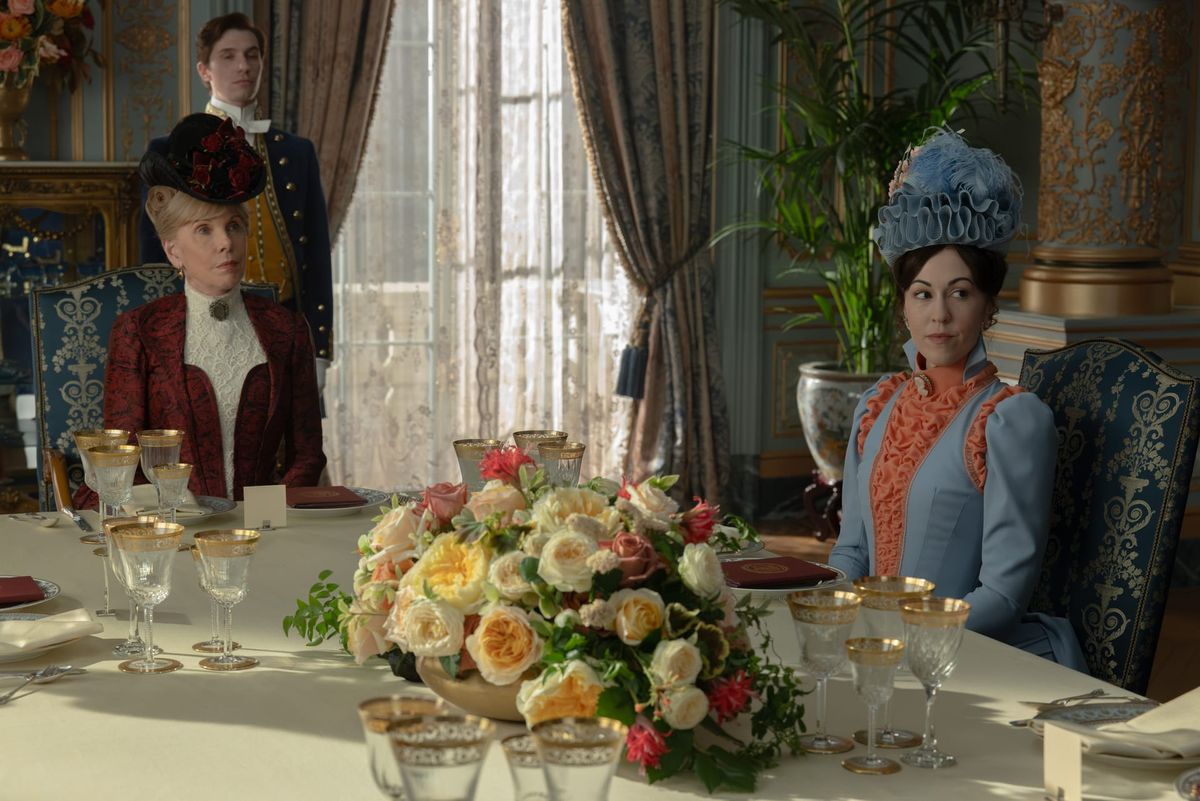
As season 4 hits its stride, one facet of The Gilded Age formula has been mostly missing: the downstairs. Other than Bridget worrying that she’ll lose Jack to the exciting world of gentlefolk, and the hiring of talkative and clumsy Oliver, we haven’t seen any storylines that focus on the servants. So it’s a special kind of exciting to have this week’s setpiece be a cooking competition in which the pride of the rival staffs is at stake, along with the power games of their mistresses. What a montage the show puts on for us: thirteen courses, all announced and set before the diners in pairs, like a nineteenth-century version of a Top Chef team challenge.
Surprisingly (and a little disappointingly), the servants end the experience in a jolly state of camaraderie, enjoying each others’ dishes and declaring them all excellent. (I confess that I hope for more drama among this group of characters when the time for the actual dinner arrives. Perhaps Oliver will make some sort of embarrassing scene.) Upstairs, though, Ada fails to meet the political moment; unable to abstain, she chooses against her family, in the name of … what, exactly?
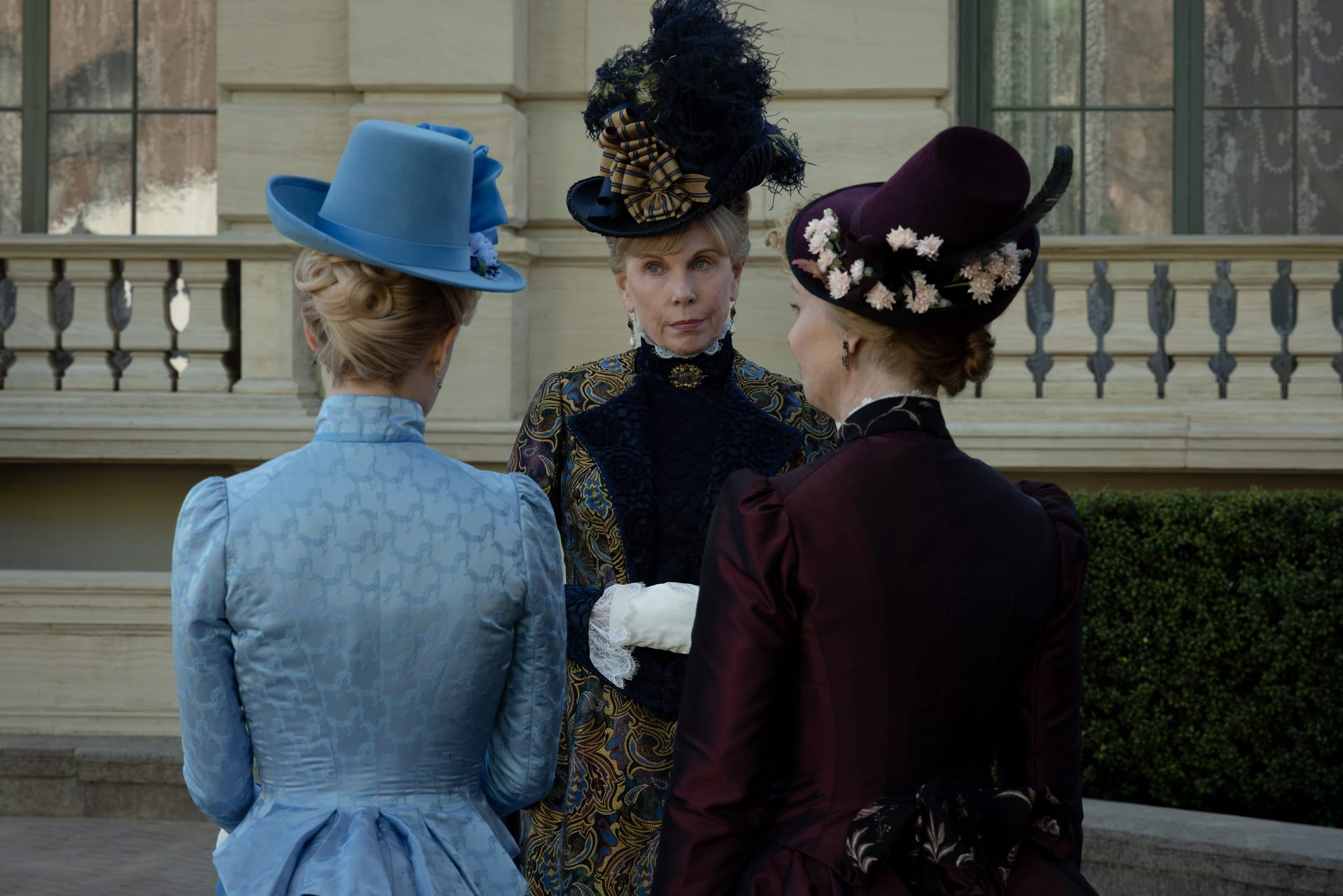
Ada and Agnes’ relationship is fast becoming a Rorschach test for us viewers. Agnes, in her seasons-long ascendancy, always belittled her sister, making it easy to empathize and root for Ada. Now that Ada is the lady of the house, we see more her potential to act foolishly, or out of pettiness. Hiring an unsuitable footman, rubbing Agnes’ nose in the Ladies’ Home Journal’s praise of the new curtains—she marginalizes Agnes with a naive insouciance that conceals a vindictive streak. If the two menus were both so excellent there was truly no choosing between, what would it have cost her to have given Agnes a badly-needed win? Instead, when put on the spot, she chooses to prove her independence from factionalism, claiming a principle of honesty. And I find myself back on Agnes’ side, as she nearly breaks down in anger and frustration: “How many opportunities to restore my legacy do you think I have left?”