
Review: The Gilded Age, "Ain't That Good News" | Season 4, Episode 3
Remember, we're New Yorkers, and for us, anything is possible.
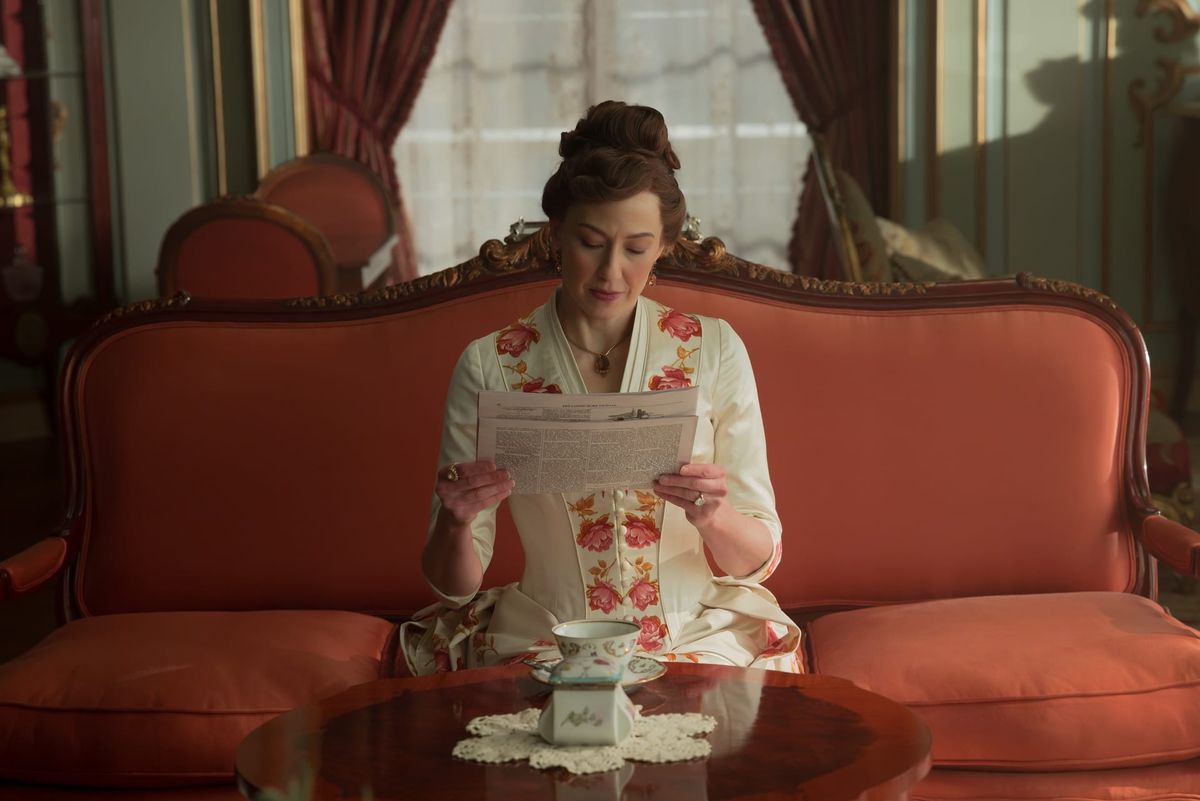
Heritage. From the same root as heir, therefore: An inheritance. Now more specifically: what is passed down from ancestors. Status. Identity. Culture. Tradition. History as legacy, deposited generously by those who came before us, in whose steps we dutifully and gratefully follow. Contemporary usage: “Heritage, not hate” (pro-Confederate symbol slogan). “Heritage Americans” (white-nationalist concept). The Heritage Foundation (conservative think tank). American Heritage magazine (history periodical your grandfather used to collect).
The Gilded Age gets textual with the conflict between old and new this week, with the word “heritage” on multiple characters’ lips, deployed for multiple purposes. White and black families argue over its meaning. Who and what does the New York Heritage Society celebrate, and who or what does it leave out? Why does Agnes feel she is validated by that organization, in a way that Bertha Russell isn’t (or shouldn’t be)? How should the black community’s past be brought into the present, to be remembered or even celebrated, and what parts of that past should we exclude or leave behind?
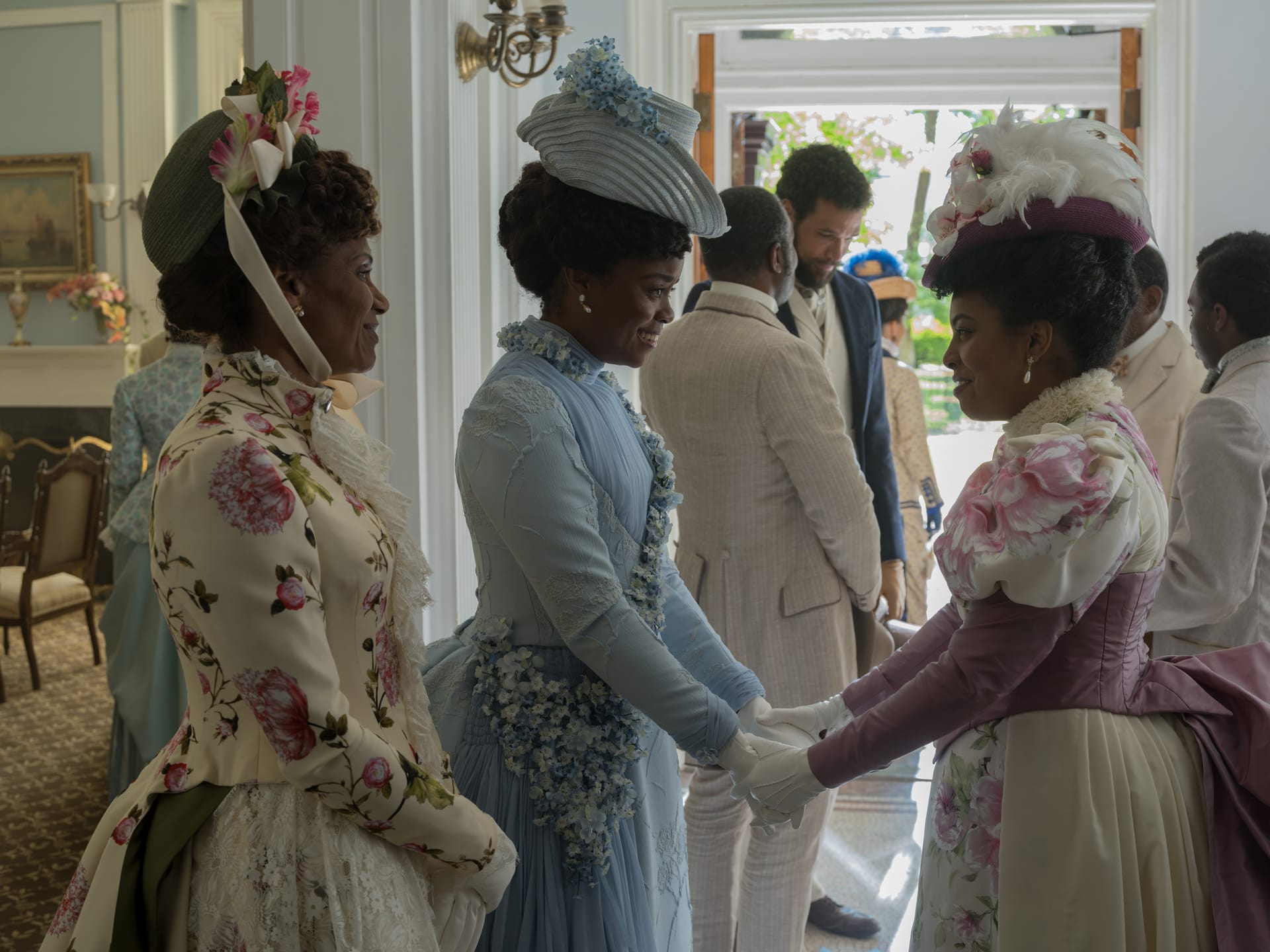
Let’s begin at Peggy and William’s wedding, a magnificent setpiece that gives us everything we come to The Gilded Age to enjoy. The church is covered with flowers, the pews are filled with extravagant gowns, and the Fisk Jubilee Singers make a joyful noise from the loft behind the congregation. In contrast to last week’s cross-cutting away from the Met, this week we stay in the church for the wedding, beginning to end (with fades eliding most of the ceremony, of course). That's the right choice. We just wanted to stay in that lovely place, looking and listening to all of the sensory delights, and thank goodness the creative team indulges us. But keeping us in the church also serves to build tension about the broom-jumping tradition right at the end, after “you may kiss the bride.” Mr. Scott lays the broom down at the bottom of the altar steps, Mrs. Kirkland looks half angry, half terrified, and then, in slow motion, Will and Peggy leave the solid ground and briefly fly. It’s an unexpectedly lyrical moment. And even Mrs. Kirkland gives the ghost of a smile. She has the choice not to view this as a defeat, and she seems to take it.