Review: The Lord of the Rings: The Rings of Power | Season 3, Episodes 1-4
The War is here, for better and worse

Hey free subscribers—with Amazon dropping four episodes of Rings of Power in this first week, we're doing something a bit different this time around. This first review is normally free for all, but I'm going to lock half of this review behind the paywall. If you want to keep reading and join the conversation in the two weeks the season will be airing, become a paid susbcriber.
By now, the length of time between seasons of prestige streaming shows has become an old complaint, but it’s one worth repeating here: it’s been two years since The Lord of the Rings: The Rings of Power ended its second season. While the show’s world was never as complex as, say, Game of Thrones, which seemed to introduce new lands and new factions every other week, it’s still a lot to keep in your mind, and this week’s four episode premiere makes only a token (ha) effort to catch its viewers up to speed. I’m not sure that’s something I can criticize on artistic grounds, but as an audience member, it’s a bit frustrating to be expected to remember character relationships that haven’t been relevant since season one.
That grumpiness aside, season three has a new focus: the war to save Middle Earth from Sauron. The introduction of that war, and the decision to jump five years ahead in time from the end of the previous season, is well handled. Over the course of these first four episodes (half the season), we’re brought up to speed on the current situation, starting with the elves, then the dwarves, then the humans of Numenor, and, finally, Gandalf and the Dark Wizard, who we now know is named Pallando. (Not Saruman, thank goodness.) No “not-yet-hobbits” yet, and to be honest, this is a relief.
I don’t know if I’ve ever had to review four episodes in a single write-up before, and I watched these in a rush; apologies if I miss any pertinent details, and it’s probably best to see this as more of an overview than a critical assessment. On the whole, I enjoyed this, while still recognizing the flaws that have been more or less part of the show from its conception. While my memories of the previous two seasons are a bit muddled, it does feel like the writers are using Sauron’s ascendancy to bring more focus to this season as a whole, which is always appreciated.
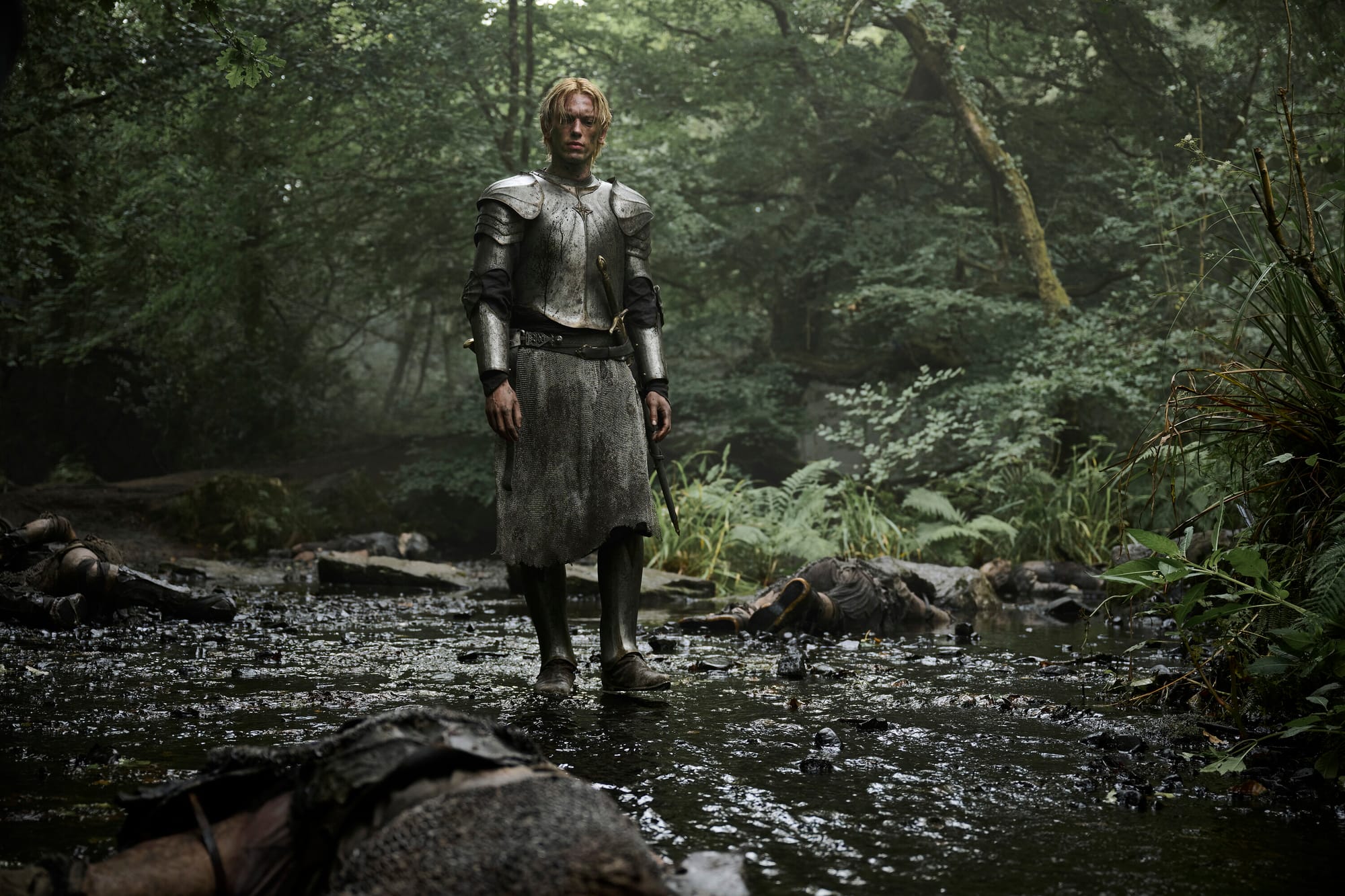
So: Sauron is trying to take over Middle Earth, and the Elves are fighting back, but it’s not going particularly well, at least judging by the map we see early in episode one. The Elven rings, untouched by Sauron’s power, remain strong enough to resist him, but his massive armies of orcs and men are laying waste to the countryside, and there doesn’t seem to be a clear plan yet to try and defeat him. In fact, much of the action of these first few episodes isabout Sauron’s continued efforts to consolidate his power, with Galadriel and the others more or less just doing their best to maintain the status quo.
Sauron has the rings of men, and he’s making moves to get at their dwarven counterparts, but his real goal—introduced in his first scene—is to make the One Ring, which would give him power over all the others (except the Elvish, I think? I’ll admit, we’re getting into Lore here; I assumed the Elven rings were basically off the table unless he could steal one, but I may be wrong). This, it turns out, is harder than it looks. Celebrimbor is still dead (although his ghost makes a fun cameo), and he took his knowledge of ring-making with him; every other elven ringsmith has been killed.
Well, every other ringsmith except maybe one. But before we get to that, I’m curious: is anyone up on Tolkien's original history of the One Ring? Because while this works well enough dramatically, I’d assumed that all of the ring making had happened with Sauron more or less hiding his true nature until his plans were finished. Here, we have Sauron the master manipulator somehow failing to complete the final, critical step of his plan before revealing himself, and now he’s scrambling to get the job done without the tools critical to its success.
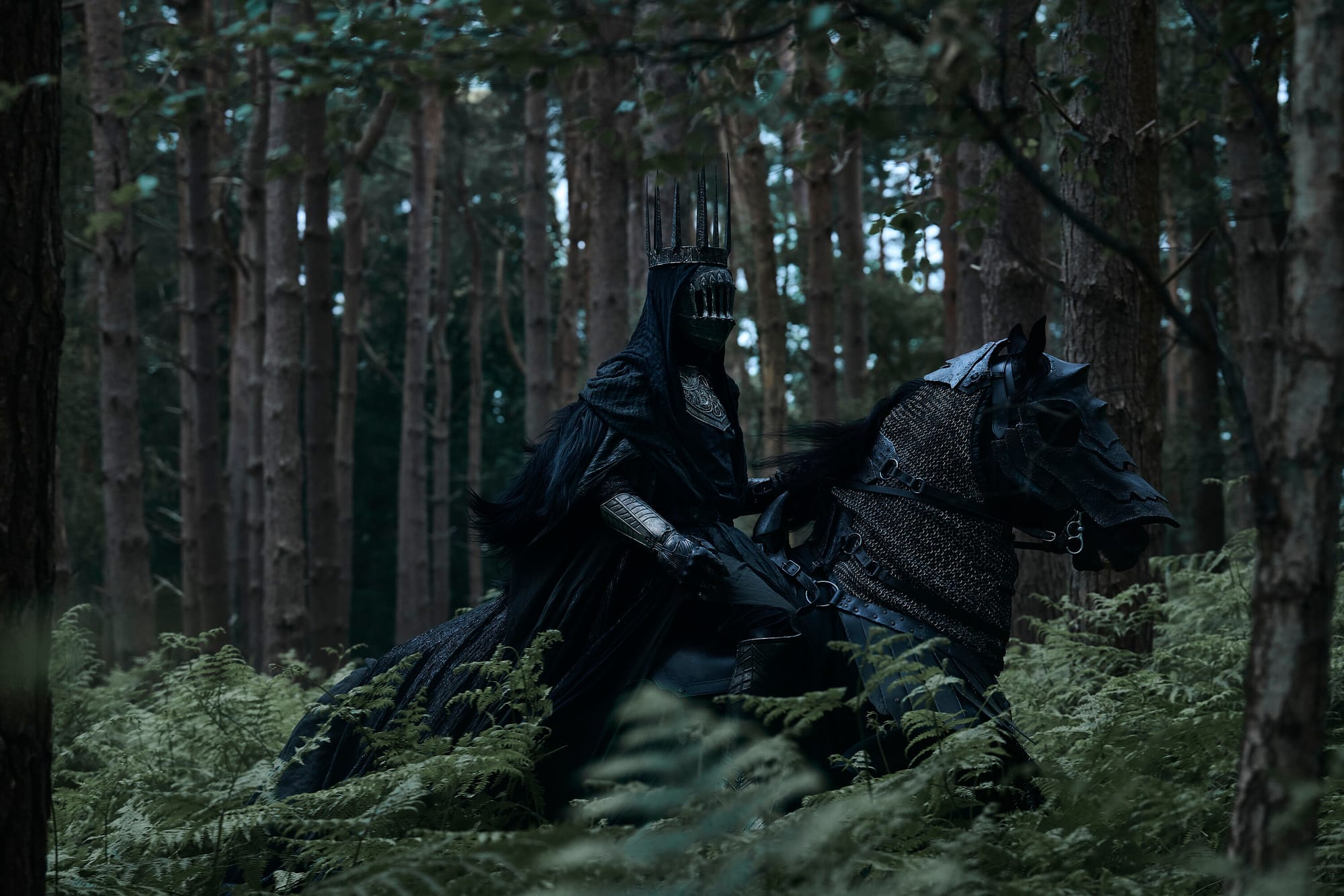
It’s a small point, but it’s indicative of a larger issue I have with this show, and with prequels in general. Throughout these four episodes, there are plot developments that make sense if you’re trying to tell an engaging, dramatic story. Sauron needs to find an Elven smith or win Galadriel to his side; the dwarves face an internal power struggle when Durin’s brother Thrain comes home to vie for the throne; in Numenor, the Faithful (aka the Good Guys) are fighting to undermine the corrupt king; in Rhun, Gandalf is still fumbling his way towards figuring out what he’s supposed to do.
While these stories are all effective to varying degrees, my mind keeps trying to fit them all into the Lord of the Rings story as a whole, and finding it difficult, if not impossible, to make the pieces come out right. Humanizing Sauron, making the faceless symbol of evil into just some guy, isn’t a bad choice for the show, but if you actually accept this as canon, it robs the original Sauron of his majesty, the inexplicable horror of a being so powerful and so hateful that he can’t really be understood in human terms. It may be a petty point, but even when it works, I find that RoP too often takes eerie, mythical beauty and terror and makes it smaller, more mundane, and ultimately, less compelling.