Review: Silo, “Radio” | Season 3, Episode 7
One storyline stalls while the other accelerates, and which is which may surprise you
A curious flip has occurred over the last few weeks of Silo. Early on this season, the flashback storyline provided many of the highlights. It felt refreshing to dip into the past and follow new characters in a familiar (to us) yet foreign (to anyone living in the Silo) setting. More importantly, the story managed to maintain its intrigue without being too withholding; sure, we didn’t (and don’t) know exactly how Charlotte’s downed Iran squadron will connect to the present-day action, but there were some substantial hints early on. We knew about Daniel’s prior drill expertise, for example, and the introduction of Victor Crnkovich in “It’s All Good” explained the origin of the memory-suppressing drugs so central to the Silo. Meanwhile, the Silo storyline languished a little in stasis, held back by Juliette’s amnesia and some odd structural choices.
Then Juliette got her memories back, all the main characters got on the same page, the Silo action kicked in, and the flashback story started lagging to compensate. (It’s like only one story has permission to accelerate at a given time in this show.) I didn’t mind last week’s titular drive, which at least allowed for some Daniel-Helen bonding time, but the excitement of that hangar cliffhanger was somewhat contingent on receiving some real answers the following week. I’m not sure “Radio” delivers enough of those answers, even considering the brief glimpse of Silo construction in the final moments.
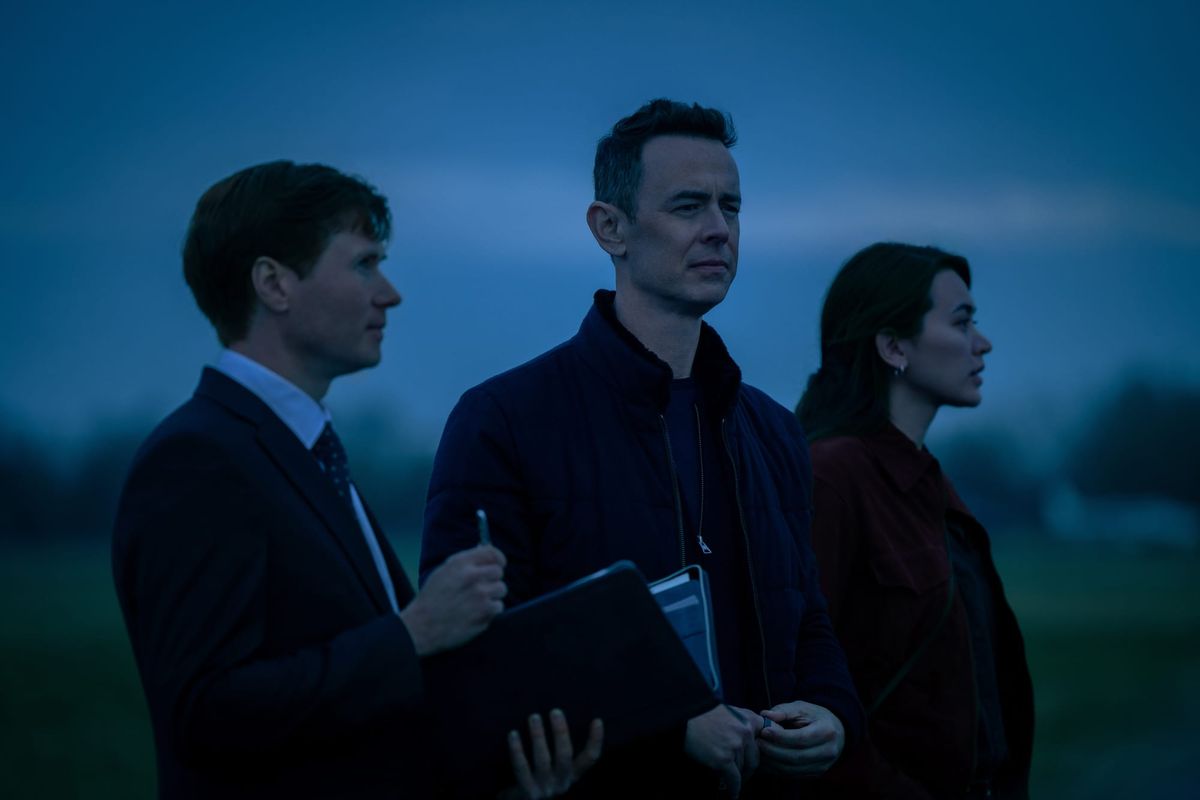
Instead, the flashbacks in this episode center on … even more travel to an even more secret location. Look, some of these scenes are necessary, including the introduction of Per Stensen (Colin Hanks) with the NDA hard sell. Some of the plane and helicopter conversations are worth having, especially as they relate to Charlotte, who has been absent. Ashley Zukerman nicely handles Daniel’s continual concern about his sister, and the hesitation to fully accept this new version of her. But couldn’t those conversations have included some answers about where they were going and why? I’m not nearly as interested in backstories for characters like Henry and Stensen who were only just introduced to the narrative. Even Victor’s trauma dump conveys the same basic information we’ve known about him since Anna first defended his research to Helen.