Review: VisionQuest, “No Strings” | Season 1, Episode 1
A sharp, stylish premiere launches the third and final installment of the WandaVision trilogy
Hey subscribers—it’s the latest installment in Marvel’s television output, and the last week to get our best deal of the year on a paid subscription. As always, this first review is free for all, but subsequent reviews starting with tomorrow’s second episode will be exclusive to paid subscribers. Support our work and join the conversation.
Ever since Avengers: Endgame, Marvel has been in its dropped threads era. Harry Styles, Charlize Theron, and Brett Goldstein learned the hard way that just because you get cast as a Marvel hero, doesn’t mean you’ll actually get to star in a Marvel movie. And between the cancellation of Wonder Man’s second season, the announcement that Daredevil: Born Again’s third season will be its last, and the way Marvel seemingly wants to pretend that movies like Eternals and The Marvels never happened, it feels like no project is safe from being unceremoniously forgotten. Unless Avengers: Doomsday really has some surprises in store, it’s unlikely we’ll ever see Disney+ heroes like Moon Knight, She-Hulk, and Echo again. Or that anyone will ever address the fact that Sharon Carter is evil and Rhodey was a Skrull.
Given all that, it’s kind of touching how much Marvel has refused to let go of the legacy of Wanda Maximoff (Elizabeth Olsen) and her robot coworker-turned-boyfriend-turned-sitcom-husband Vision (Paul Bettany). After Doctor Strange in the Multiverse of Madness tried its damndest to undo all the emotional complexity of WandaVision, Agatha All Along got the series back on track with a moving story for Wanda and Vision’s son Billy (Joe Locke). Now VisionQuest is here to round out the trilogy and maybe, finally give the Maximoff family (I’m going to assume Vision took her last name) the closure they deserve. That gives this show a clear mission statement in a way some of the other Marvel Disney+ shows lacked.
That mission manifests in a premiere that shocked me with how much it feels like a classic network TV pilot. Most of these Marvel shows have started with a kind of moody prologue that establishes the tone and some key themes, but doesn’t really set up the season-long story until its final few moments. I assumed this premiere would do the same and spend most of its runtime delighting in the quirks of Vision 2.0’s retro-futurist mind palace and its absolutely stellar production design. But creator and writer Terry Matalas began his career writing for the likes of Star Trek: Enterprise and The CW’s Nikita before creating the Syfy show 12 Monkeys, which means he knows his way around some efficient storytelling.
By the end of this premiere, we understand how this new version of Vision conceptualizes his life in relation to the past version(s) of himself. We have a clear sense of all six AI programs who live inside his head and the role they play in his subconscious. We’ve seen him violently cross paths with bounty hunting villain Paladin (Todd Stashwick). We have an overarching plot about Vision needing to reunite with his reincarnated son Tommy (Ruaridh Mollica). And we’ve actually met Tommy a.k.a. teenage Scotsman Thomas Shepherd and seen his fractured personality in action, rather than merely presenting him as a plot point or mystery. At the risk of overpraising what used to just be the baseline we could expect from a TV pilot, it’s remarkable how much Matalas crams into 49 minutes sans credits.
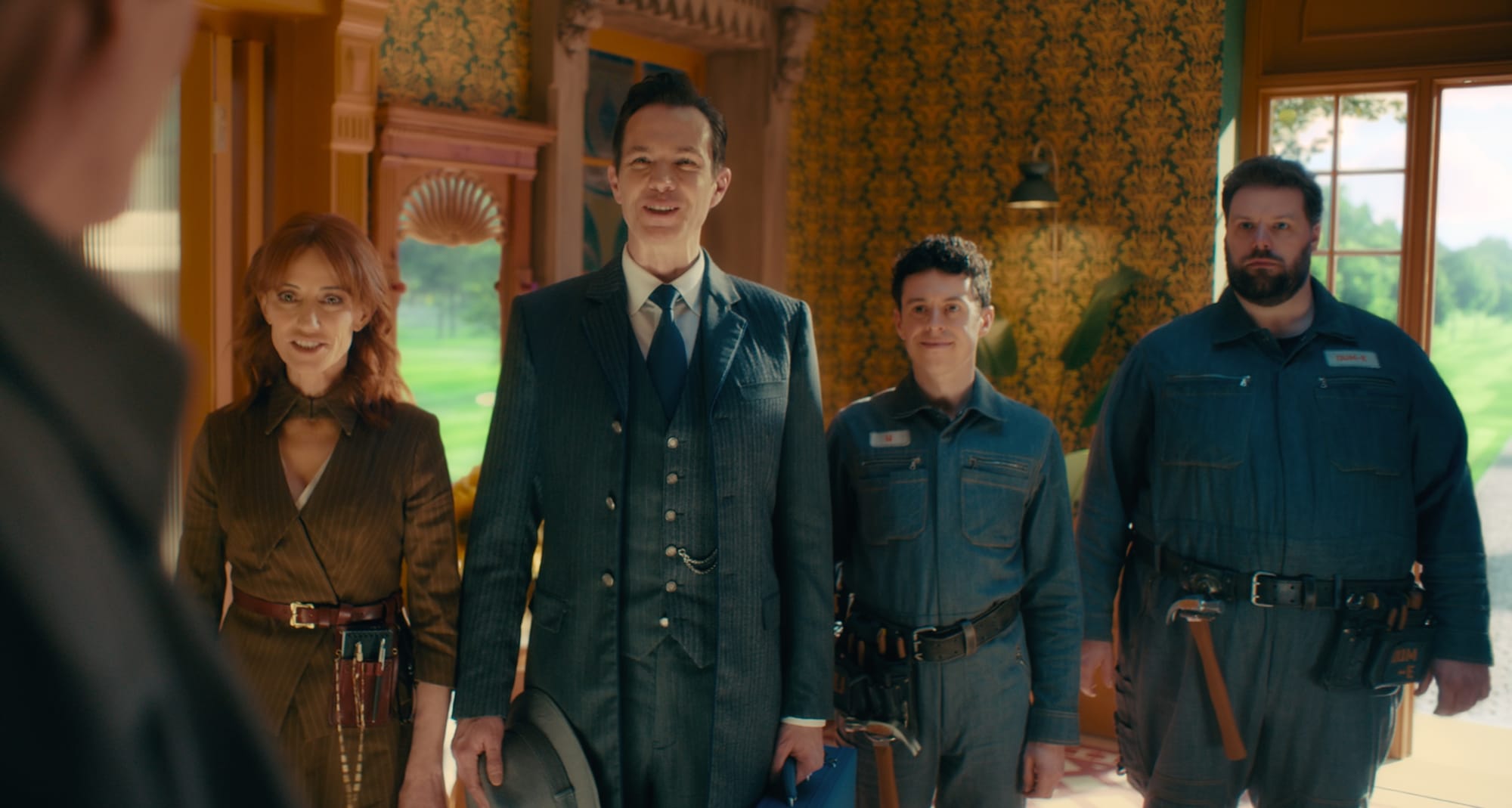
Part of that comes from how effectively this episode uses the shared universe concept that was once the special sauce of the MCU. Within this episode in isolation, all the characters pop as sketches with clear personalities—from happy-go-lucky thrill-seeker E.D.I.T.H. (Emily Hampshire) to kind, analytical F.R.I.D.A.Y. (Orla Brady). Yet part of the reason this hour can flit through so much material so quickly is because it trusts its audience will have some kind of preexisting relationship with at least some of its characters, even if it doesn’t necessarily expect you to know them all.
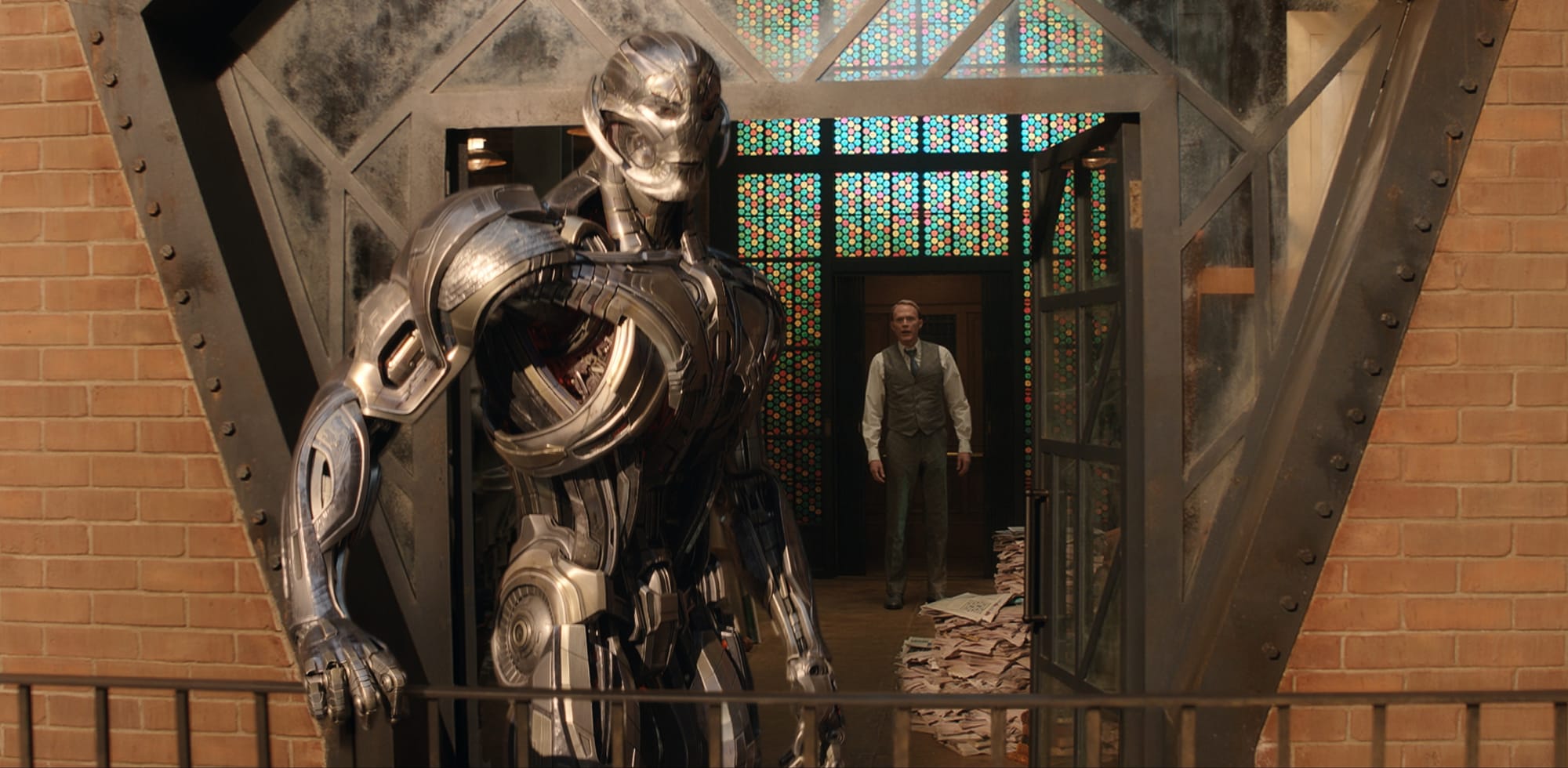
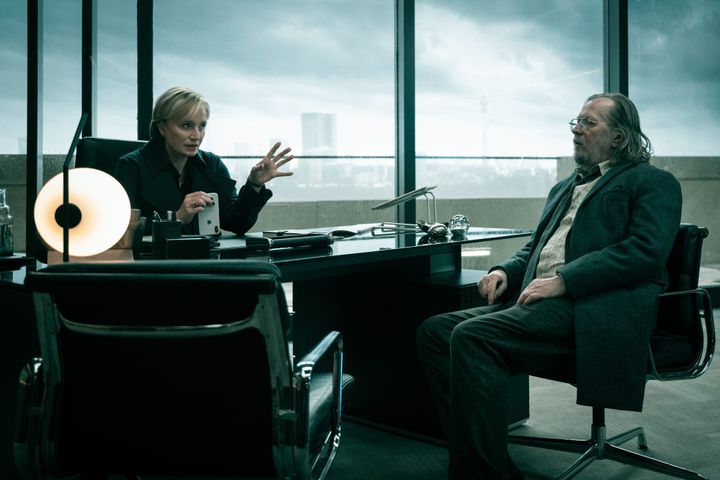
If you watched Agatha All Along, you already have a sense of what’s going on with Tommy and his fractured identity, although it’s okay if you don’t because Vision himself still needs to piece together that mystery. Similarly, you can bring even more depth to the sparring friendship between Vision and Ultron (James Spader) if you’ve seen Avengers: Age of Ultron, although their wonderfully prickly Professor X/Magneto dynamic is legible without that backstory too—especially because Spader clearly adores playing this character. It already feels like Vision and Ultron’s philosophical attic chats are going to emerge as a heart of the series; especially after Ultron proves he’ll go to violent lengths to get Vision to cut his own strings and live again. Meanwhile, true Marvel heads will be delighted by the return of James D’Arcy, who starred in the ABC show Agent Carter as the human butler who inspired the name of Tony Stark’s original voice assistant and now plays the human avatar of J.A.R.V.I.S. As much as any Marvel Disney+ show, this one truly has threads from every corner of the MCU.
It's an ideal way to take advantage of the fact that Bettany has been an MCU mainstay since it first began with Iron Man way back in 2008. The actor has been a constant even as his character has evolved from a voice-only AI assistant to a sentient android superhero to a sitcom projected fantasy to a reconstructed body with the memories but not the feeling of his old self. In that way, his existential crisis is a fitting mirror for the kind of existential crisis Marvel has been going through these days. Does the studio want to recapture its big screen glory days? The humanism of its weirder side projects? Or does it want to forge a new identity entirely?
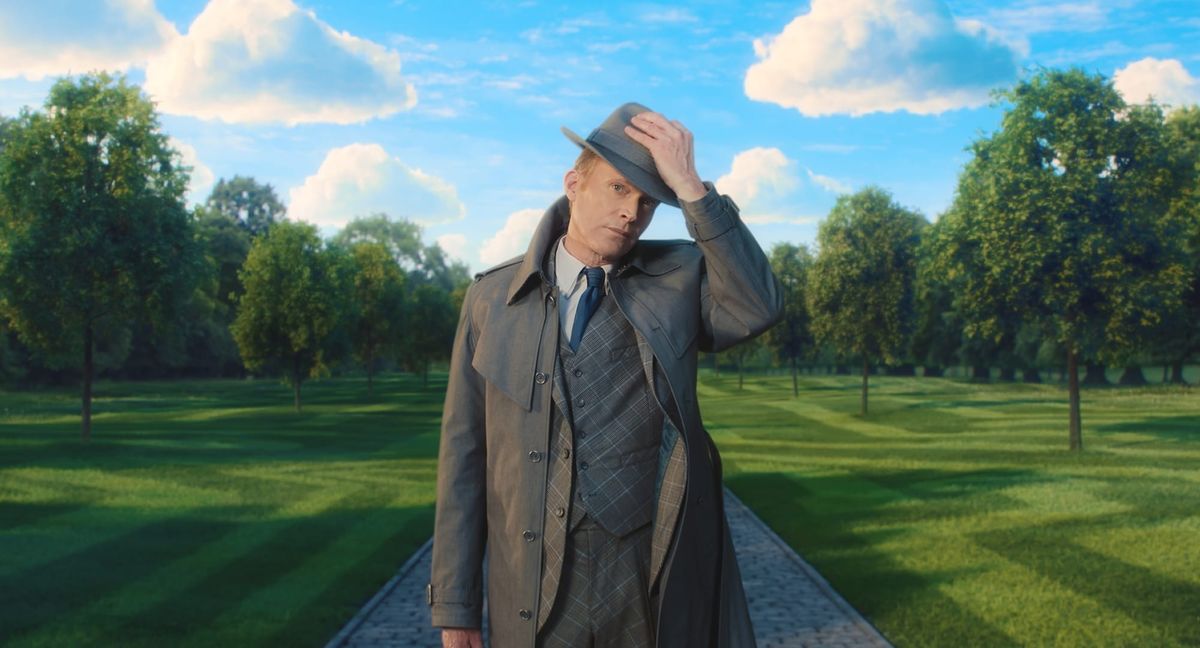
Like Vision himself, Marvel is unsure of the best path forward. Still, asking the question is more interesting than pretending everything is going exactly according to plan and then dropping it when it doesn’t. This makeshift WandaVision trilogy has been linked by a sense of melancholy lurking beneath its colorful, fun exteriors. VisionQuest continues that ethos with a sci-fi bent, an existential tone, and a scene-stealing genocidal anti-hero with strong opinions about art. Like some of our best science fiction stories, this one is about a sad robot attempting to figure out his place in the world. I can’t wait to watch him try.
Stray observations
- Welcome to coverage of VisionQuest. After enjoying Spider-Man: Brand New Day and its lovely female mentorship earlier this year, I’m excited to see Marvel (hopefully) back on a bit of an upswing again.
- Indeed, after the cancellation of Wonder Man and the announcement that Daredevil: Born Again will be ending with season three, I originally opened this review with a paragraph about how the era of MCU Disney+ TV is officially over and how fitting it was that VisionQuest would end it after WandaVision started it. Then I opened my phone to news that Marvel Television just greenlit a new show called Zodiac, so never let them know your next move I guess.
- My favorite MCU deep cut is the fact that Tony Stark’s old robotic arm workshop assistants D.U.M.-E and U. get a second life in Vision’s mind palace. They really were key to the charm of the original Iron Man movies!
- In terms of plot threads this episode holds back: While Ultron leaked Vision’s location to the Paladin, we don’t know who hired the Paladin to capture Vision in the first place, so the show’s big bad is still a mystery.
- It’s fascinating to me that Vision conceptualizes J.A.R.V.I.S. as his older brother and Ultron as his dad. I would have thought it would be the opposite. Also, while he cites Stark and Banner as his creators, he doesn’t mention Thor as the one who technically brought him to life, which is kind of rude if you ask me.
- If you do feel like doing some rewatching to prep for the rest of the season, I would prioritize the WandaVision finale, Avengers: Age of Ultron, and episodes five and eight of Agatha All Along for context on Tommy/Thomas of it all.

Comments ()