Review: The Gilded Age, "You Won't Hear Me Beg" | Season 4, Episode 2
Tradition, power, and the early stirrings of revolution
Hey free subscribers - your regular reminder that Donna’s coverage of The Gilded Age is heading behind the paywall. To support our work and join the conversation, become a paid subscriber.
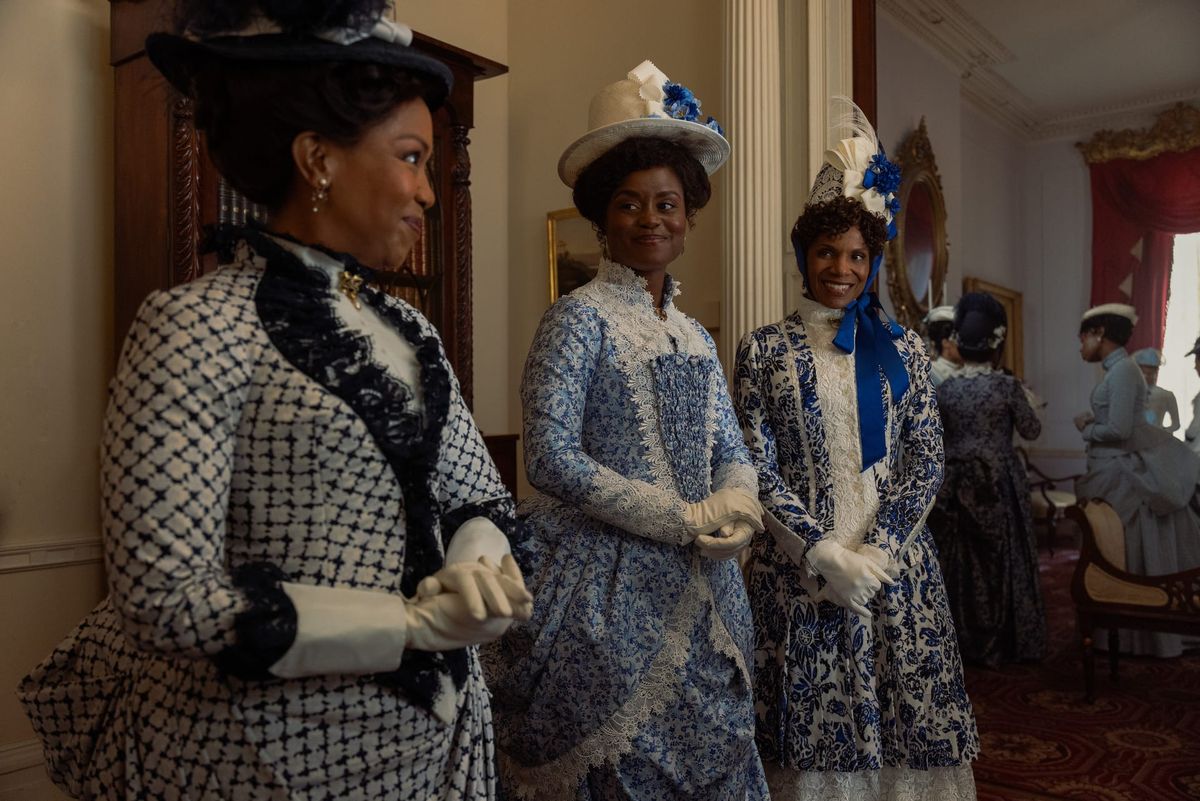
How fitting that this week we find Gilbert and Sullivan poised to arrive on American shores, because “You Won’t Hear Me Beg” is a headlong rush into their world of topsy-turvy. Mrs. Astor goes to the Met! Marian comes home after 7 pm from the Lower East Side! Agnes consents to have her name appear in a newspaper! Ada changes the drawing-room curtains and hires an inexperienced footman! Said footman serves tea with milk already added! (To the latter, Ada lets out an anguished “Why??”)
Here as in Downton Abbey, Julian Fellowes’ theme is “the older generation refuses to recognize that their time is up.” That certainly resonates with current events in the U.S., as the midterm elections serve for many as a referendum on a gerontocracy, who often respond to being challenged with disdain, whinging, or rage. At least when Agnes or Bannister encounter yet another example of degeneracy and decay masquerading as fresh ideas, their sarcastic mutterings and eye-rolling entertain us. We look back at them from the world those once-radical ideas created, and smile at their fanatical loyalty to a fading status quo.
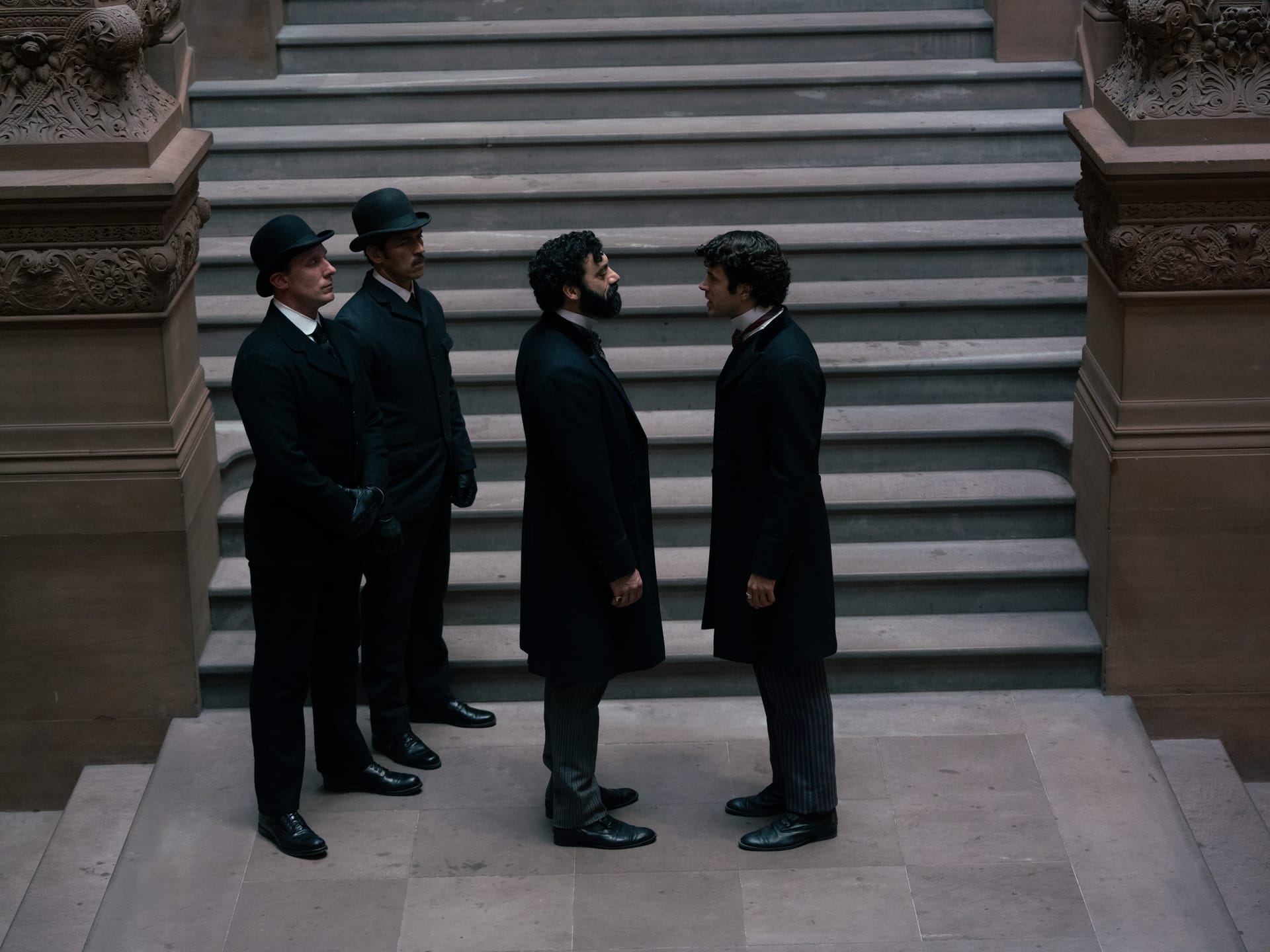
But I was not expecting effective altruist talk to come from the mouth of John D. Rockefeller, as if ripped from the headlines. Standard Oil’s vertically-integrated monopoly was able to command huge rebates on freight costs, lest it build pipelines and bypass railroads altogether. As a result, kerosene prices stayed low (but railroad magnates lost money on every tanker car). We see Rockefeller (played by Neal Huff) claim here that the purpose of having money and power is to use it for good, an idea that seems to fly right past an incensed George Russell, strapped for cash and over-leveraged, hoping to use his control of the railroads to demand higher payments. We live in the world both these men made—determined to crush their competition and achieve total capture of key resources—but also we live in the world Rockefeller’s philanthropy made possible, a world of evidence-based medicine and educational opportunity. Maybe that’s the world that is fading, to be replaced by rationalist futurism where living people’s worth pales in comparison to our far descendants, and where snake oil makes a big comeback. Maybe we’re the Agneses and Mrs. Astors, certain our world’s worth is self-evident and timeless.