
Review: Star Trek: Starfleet Academy, "Kids These Days" | Season 1, Episode 1
A messy start, but what Trek pilot isn't?
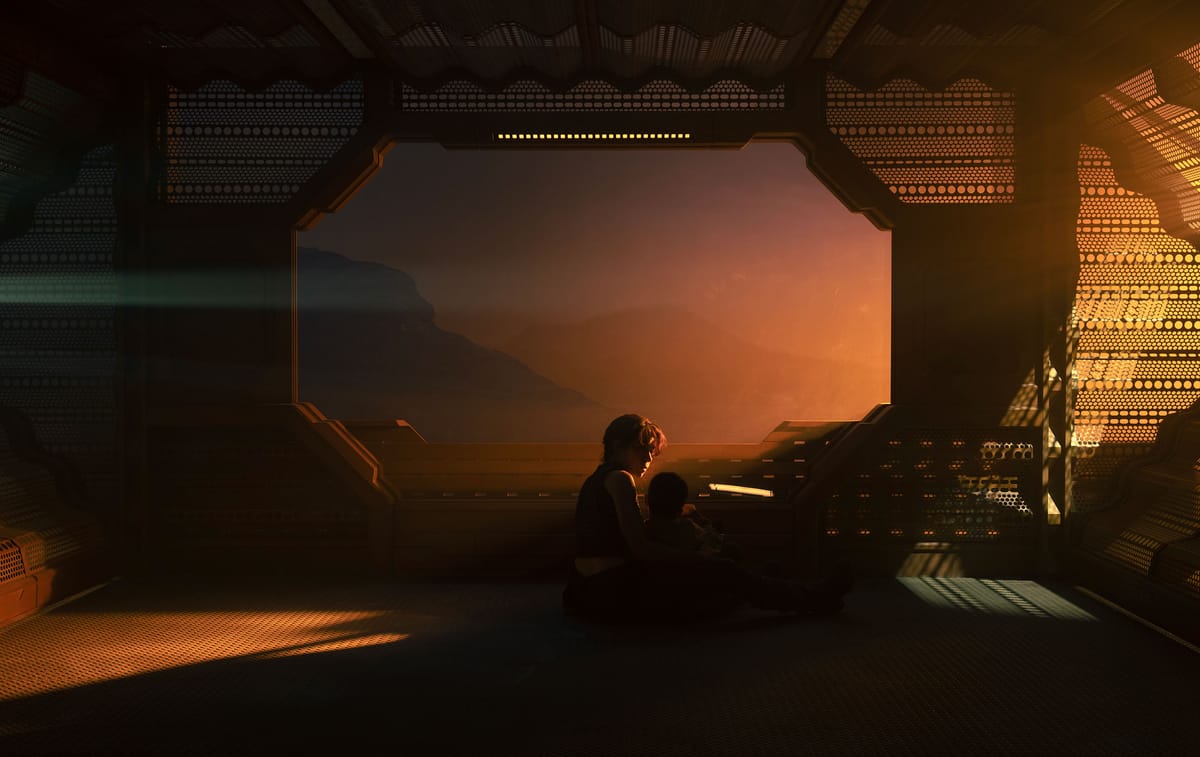
Welcome to Episodic Medium's coverage of Star Trek: Starfleet Academy, Paramount+'s latest effort to extend the venerable franchise with its first official YA outing. This first review is free, but Lily Osler's subsequent coverage (beginning with her review of episode two tomorrow) will be exclusively for paid subscribers. You can get a 10% discount on the already discounted yearly rate by clicking the button below.
Star Trek is a franchise that famously tends to fumble the beginnings of great things. It's one of the property's most enduring traits, all the way from "Encounter at Farpoint" in 1987 to Lower Decks' very messy first couple of episodes in 2020. There are, to my knowledge, only two canonical exceptions to the fandom rule that the first seasons of live action Trek shows kind of suck.
Trek pilots, then, demand to be graded on a curve. Not because they need kid gloves—as a certified hater of much of Trek's current era, I'm not planning on breaking those out any time soon—but because they so often conceal greatness beneath surface level weaknesses. To wit: I didn't like "Kids These Days" very much, but I'm oddly confident that Starfleet Academy can be a very solid show. "Kids These Days" makes a lot of mistakes, but mostly it makes the right ones.
The episode, admittedly, starts very rough, first with a bit of scenery-chewing courtroom drama in which Caleb Mir, one of Starfleet Academy's protagonists, is separated from his mother as a very young child, and then with a frenetic prison break scene starring a grown-up Caleb. Both of these sequences feel tonally wonky —beginning a show that, by all accounts, is going for a more grounded vibe than previous entries in this Trek era with a jittery action scene seems like a choice made to grab viewers' attention at the expense of cohesion—but, worse, the whole sequence is clichés on clichés. The scene with Caleb and his mom before the trial is sweet but stock; the fight choreography is muddy and poorly shot; the prison guards' dialogue made me briefly wonder if generative AI had been used in the writing process here. Even the getting-the-crew-together sequence that follows (part of a great Trek tradition that includes both the Deep Space Nine and Voyager pilots) is, despite solid performances from Sandro Rosta (as Caleb) and Holly Hunter (as Nahla Ake, the woman who put Caleb's mom in prison and who's now been tapped to lead Starfleet Academy), by-the-numbers and kind of dull.
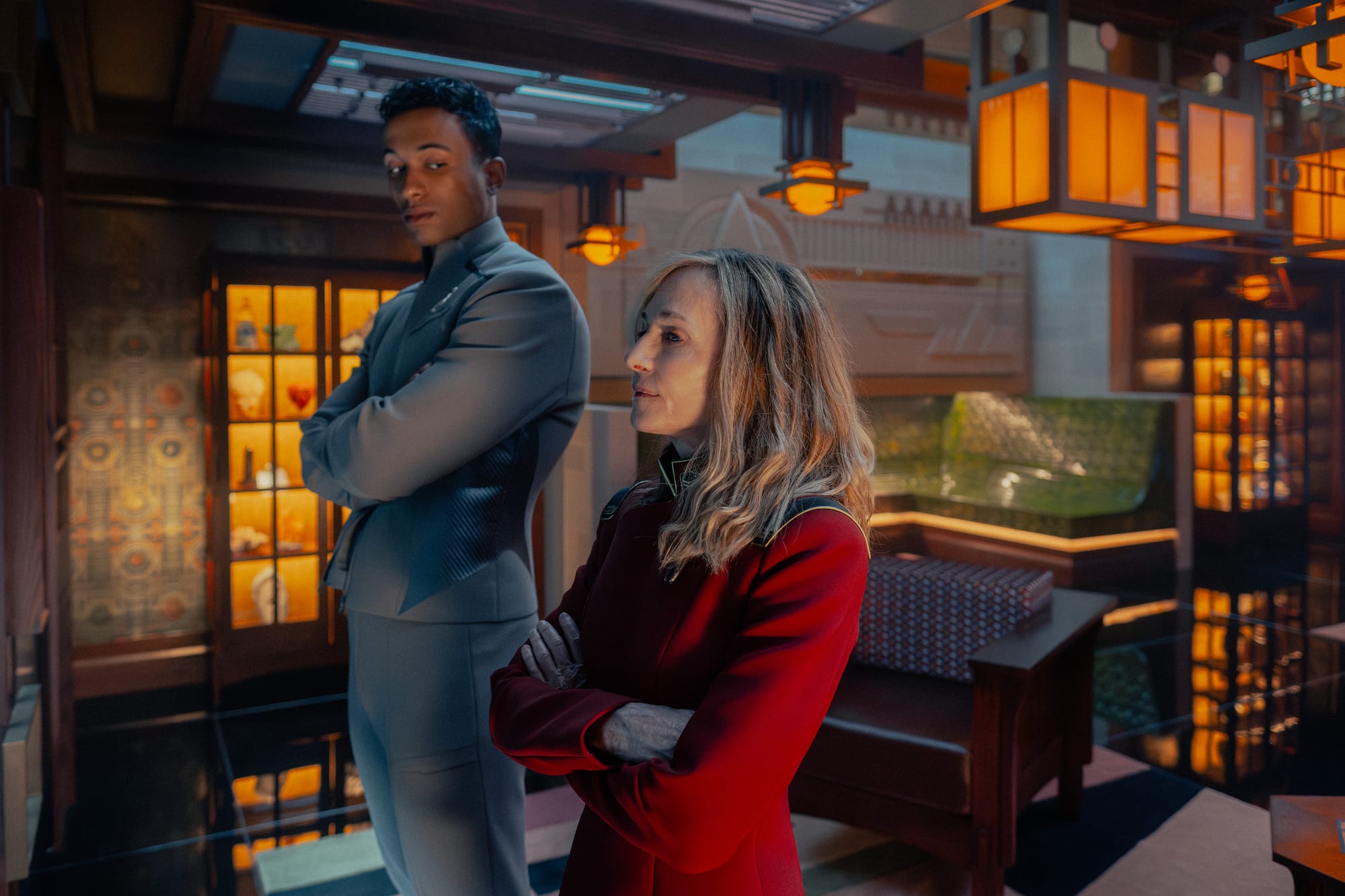
Still, Rosta managed to keep my attention, both through the unmitigated mess of the opening and through the shaky but serviceable final half of the episode. Caleb's characterization isn't terribly rich or deep yet, in no small part because the show opens by giving him a trauma plot of the kind that has made so many of Strange New Worlds' characters flat and boring, but Rosta gives him a real, mostly believable range of emotions. He plays Caleb as alternately resourceful, snarky, vulnerable, vengeful, and tender over the course of the episode's final thirty minutes or so, overcoming both the limitations of the script and a very wobbly American accent (Rosta is British, and you can tell) to make me feel a connection to his character. Even beats that would typically feel cliché beyond the point of saving—Caleb's anxiety about calling Jay-Den his friend comes to mind—have unexpected nuance here. This isn't to say Rosta is great here by any means; when a scene doesn't call for a specific tone, he defaults to a jackass snottiness that's both unpleasant and boring. But there's a lot of potential in his performance.
This is the core of why I'm optimistic about Starfleet Academy: even bad Trek openers can lead to great shows if they give us a strong sense of their ensemble's characters and interpersonal dynamics. Here, despite a few growth areas, Starfleet Academy shines. Jay-Den Kraag, played by Karem Diané, is the obvious standout here as a Klingon doctor-in-training whose gentle temperament and love of birdwatching put him at odds with his peers' stereotypes about Klingons. Diané brings both warmth and a Worf-like neuroticism to the role, and he's a welcome presence in every last one of his scenes. He's probably the character I'm most excited to get to see each week, at least as long as the show's creative team doesn't just stick him in the "am I Klingon enough?" rut Worf fell into a bit too often in the Nineties.

Just as vibrant, if slightly less well-used, is Bella Shepard's Genesis Lythe, the daughter of a Starfleet admiral and already a firecracker of a character; I don't love that fully half of what she's doing here is (generously) love triangle bullshit, but Shepard's performance is already locked in. The same is true of George Hawkins' Darem Reymi, a kind of thinly written prissy rich boy character (well, as much as "rich boy" translates in a post-scarcity society) saved by a charming performance. The only weak link I'm seeing so far is Kerrice Brooks' Sam, a sentient hologram with no understanding of social norms, and I'm convinced that's more a writing issue than anything to do with Brooks' performance; I am ready for Trek to do something more interesting with its Data/Spock-alike characters than just point at them and be like, "Look! They are like Data and/or Spock," and hopefully the show's powers that be can use Sam to break out of that cycle.
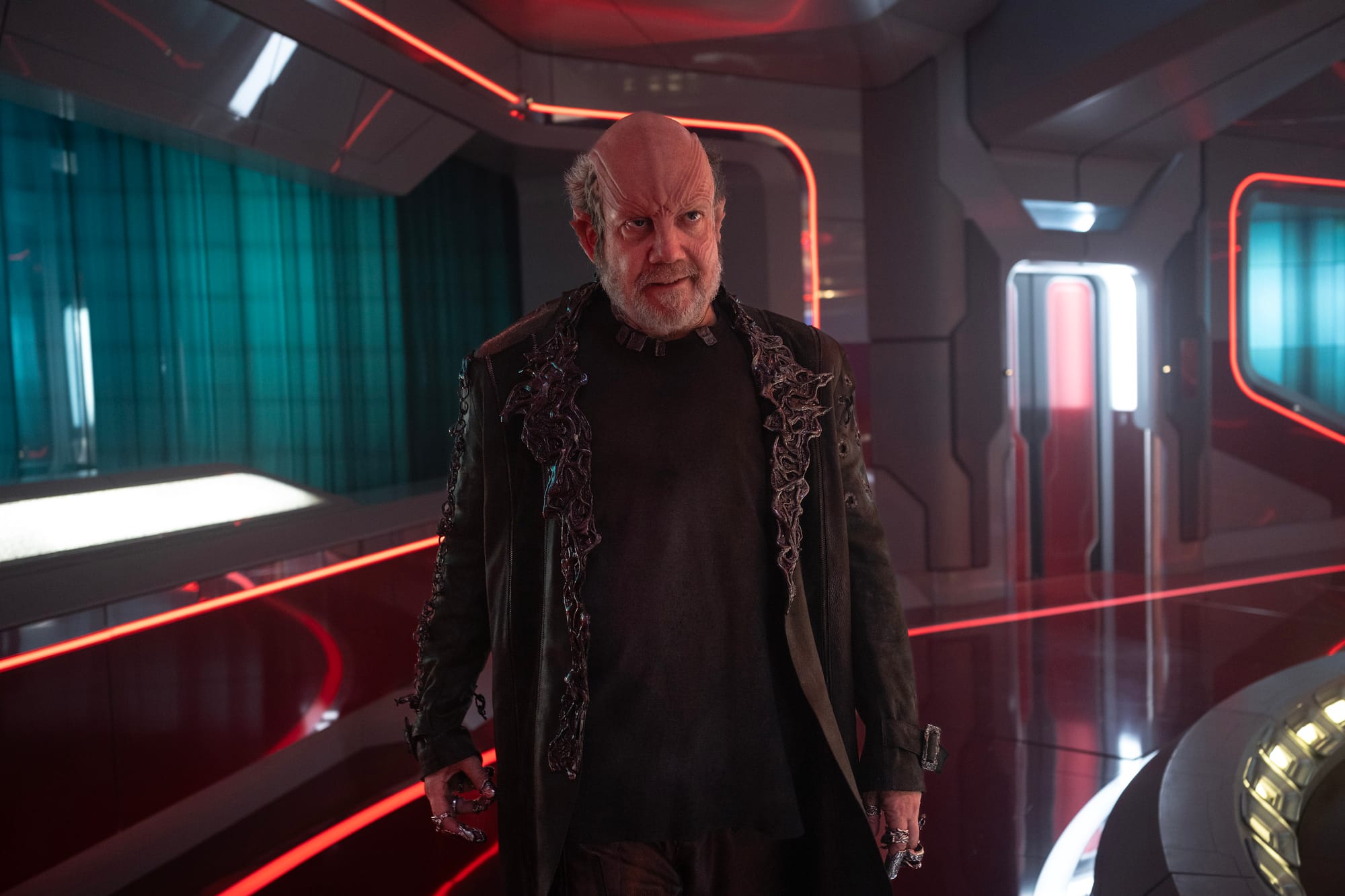
It's enough to elevate the rote beats of "Kids These Days." I audibly sighed when the ship came under attack at exactly the moment in the script I'd expect it to, but, if nothing else, it served as a great excuse to break the cast into fun new pairings early on. Even the fight scene with Paul Giamatti's Disney villain-ish Nus Braka near the episode's end was thoroughly tolerable thanks to the ways it characterized Caleb. I was also fond of the way the show's editing in its last, most frenetic act focused on Caleb without overcentering him; Trek is an ensemble franchise, and making Caleb a protagonist-among-protagonists rather than a capital-M Main Character who overwhelms everyone else's storylines is a smart move.
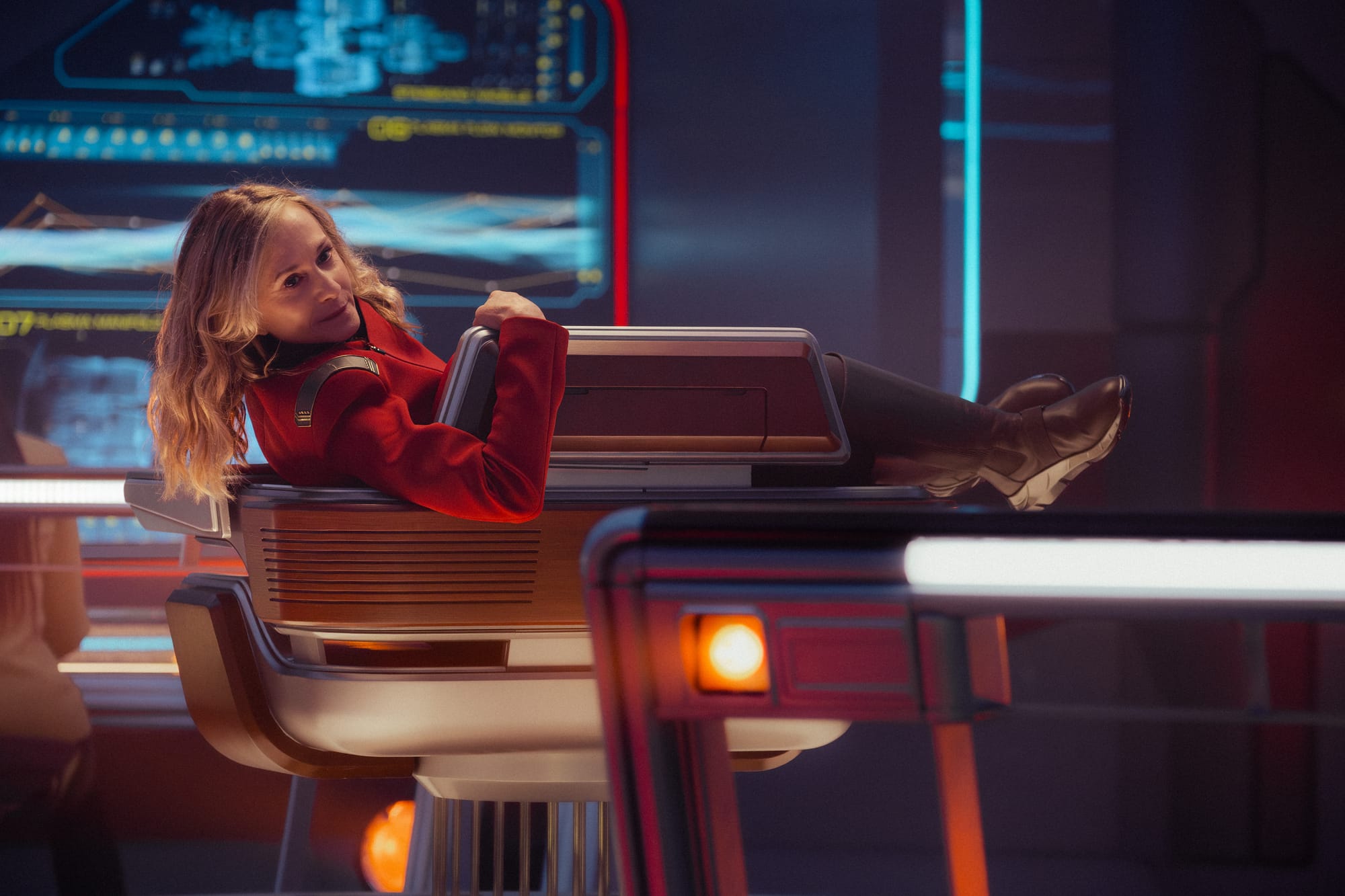
None of this is to say Starfleet Academy is without major structural issues. For one thing, I'm not convinced the show's cast is correctly sized for its short season orders. We've got a full upper-deck crew (all named characters, thanks to a little intro round from Ake) in addition to the cadets, and one of my biggest issues with latter-era Discovery was its surplus of characters who never got anything to do; how is Starfleet Academy going to keep its ensemble vibe without feeling either crowded or like it's forgotten some of its characters? I'm also baffled by the show's lack of concern for optics in how it treats its characters of color. Caleb gets sneeringly called "boy" by a superior officer whom he's been ordered to call "master" within his first few minutes at the Academy; it's a scene I felt sick watching, and one that seemed to evince no self-awareness from the show's writers about how it might come off to audiences. It's the kind of sloppy-at-best writing around marginalized identities that I've unfortunately come to expect from modern Trek, but that makes it no less disappointing here.
These are real flaws, to be sure. And yet many great Trek shows have overcome bigger ones. I don't want to compare "Kids These Days" too closely to Deep Space Nine's "Emissary," which is, to my mind, Trek's best pilot by a long shot, but Starfleet Academy is, like Deep Space Nine, an anomaly in a franchise about exploration: it's about a group of people stuck together in an imperfect, stressful place. What Deep Space Nine understood so well, even as early as "Emissary," was that a strong, well-balanced ensemble is both a necessary requirement and a secret weapon for a show without the advantage of galactic swashbuckling. "Kids These Days" is messy, but it shares that understanding; I can't imagine a more hopeful sign for this show.
Stray observations
- Hey, the Star Trek pre-cold-open intro is no longer painfully loud! Yay! I do think that they should have had the ship turn into Deep Space Nine in the middle, though.
- I can't decide how I feel about Paul Giamatti's character. He's chewing the scenery into a fine mush and feels radically out of tone with what I've come to expect from Trek, but, well, but wasn't Q also out of tone with Trek back in the day? At very least, he's giving a game performance.
- Please, please tell me there will be physical sets with interesting textures once they get to San Francisco. I tried not to whine about it too much above, but the complete abstract nothingness of this episode's CG visuals and smooth plastic interiors was killing me.
- This complaint did not rise to the level of putting it in the main review, but God I am so sick of the ossified mid-2010s Reddit humor modern Trek insists on putting into its scripts. It's unfunny, instantly dates the shows, and completely takes their viewers (read: me) out of the moment. The worst offender here was probably when they had Stephen Colbert say the word "hangry."
- Since this is—and I mean this as a compliment—Trek's version of a CW teen soap, I feel compelled to offer comment on the shipping situation here. My comment is this: the only characters here with any real chemistry so far are Caleb and Darem. This has been my shipping comment.
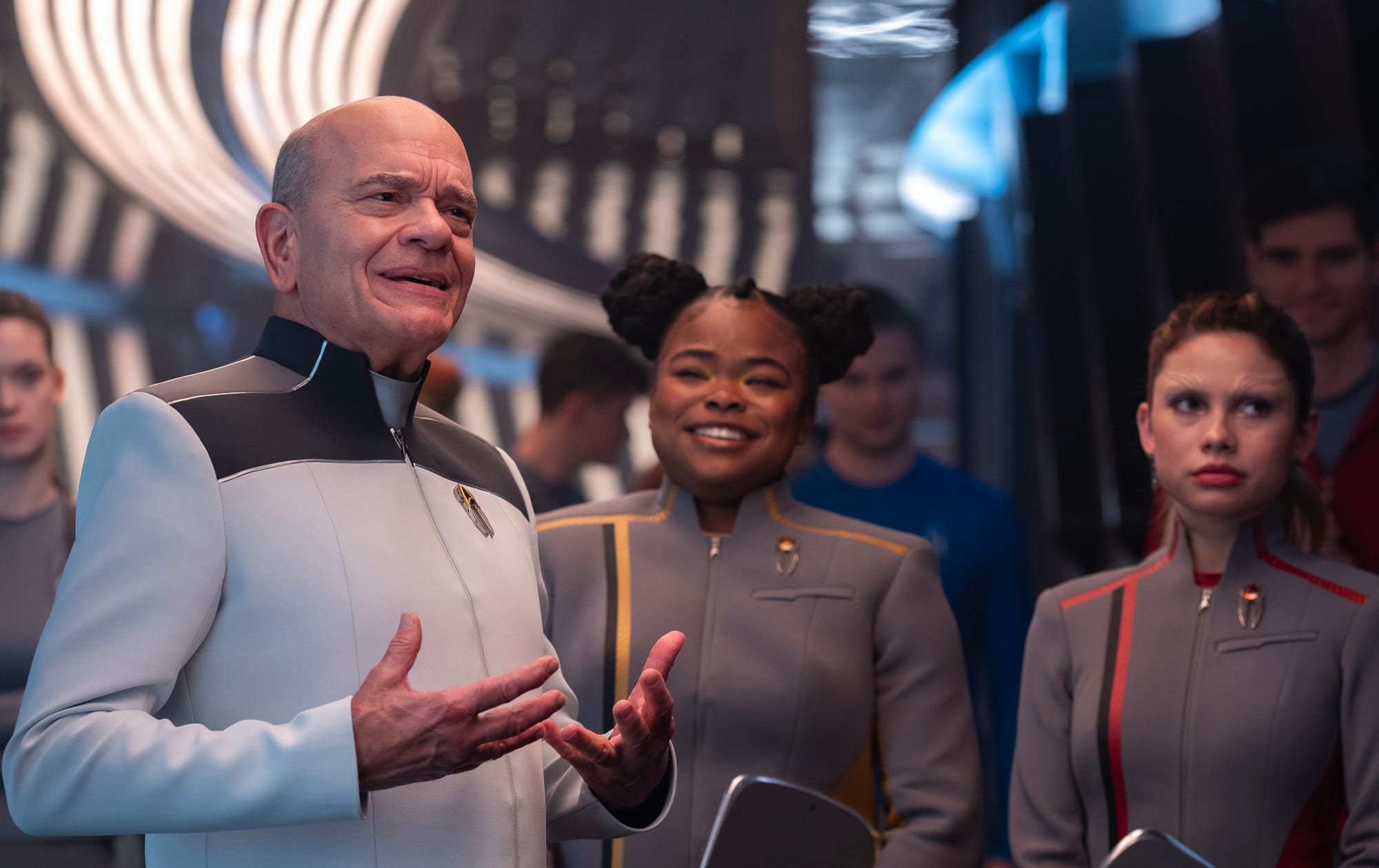
- The main cast for Starfleet Academy is mostly composed of new faces, but it does feature Robert Picardo's Doctor from Voyager. I'm not loving the way he's written so far—it's just fanservice on fanservice—but at least Picardo's always a pleasure.
- Speaking of fanservice, the show's weirdest Trek reference is a cadet in the final shot who appears to be a Cheronian, a species best known for their appearance in The Original Series' worst racism allegory episode, "Let That Be Your Last Battlefield." Apparently there was also one in that Section 31 movie I didn't watch. Huh!
- Finally: I promise I am not trying to be mean, but I cannot believe the Klingon guy's name is Jay-Den. Jay-Den! It feels like a Jenny Nicholson Star Wars Name.
Comments ()