Review: Lanterns, "The Jordan Boys' Legacy" | Season 1, Episode 7
Things are getting heavy
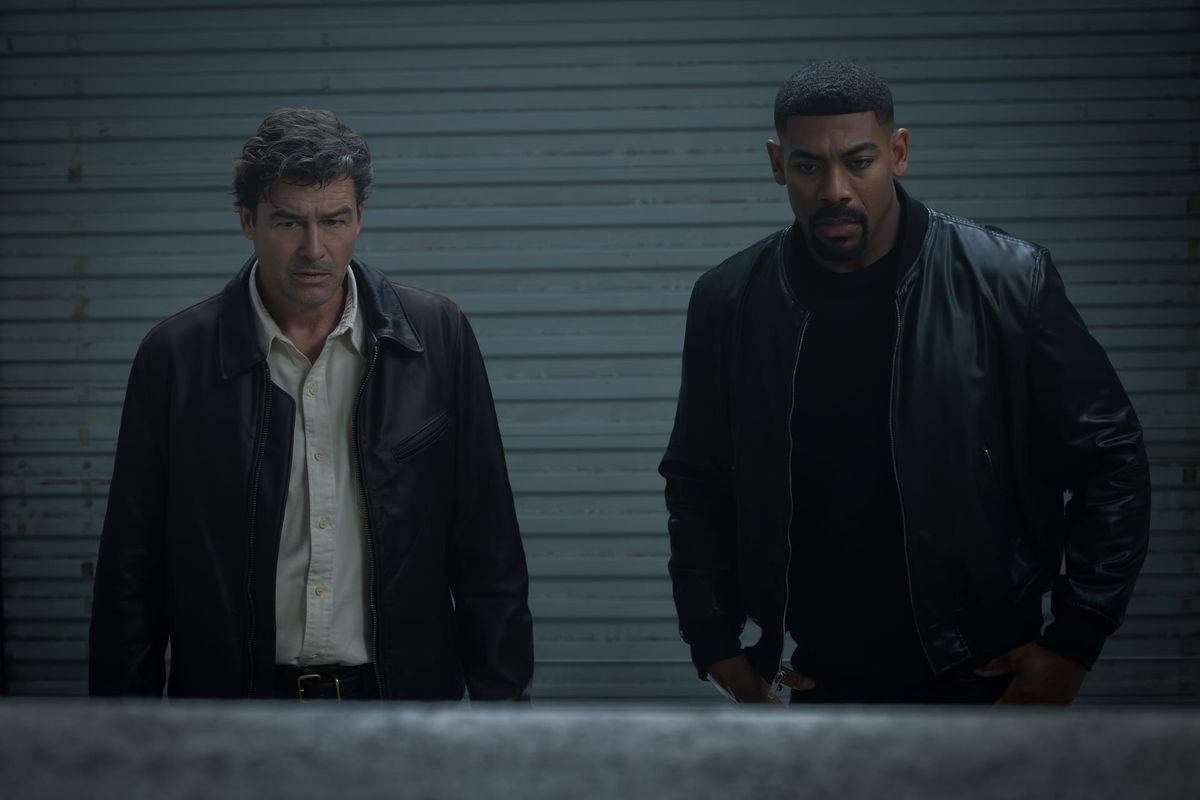
To be honest, I don’t know what I think about this episode yet. This review is going to be me working out whether I’m impressed or perplexed by “The Jordan Boys’ Legacy,” which in a way is the boldest episode of Lanterns to date. I don’t know much about Hal Jordan’s character history, but I’m sure that making him the inheritor of genetic suicidal ideation is a big retcon. I have mixed feelings about the concept and the execution. I suppose the question is, did the show earn the right to go so heavy?
I’ve never read any of co-creator Tom King’s comics, but from what I’ve gleaned about his work from this profile from TheWrap and the comments here, the focus on a superhero’s mental health here comes from him (he wrote this episode with Damon Lindelof). He’s a polarizing figure in the comics world, with some readers appreciating his thematic seriousness and others getting mad about his tendency to ignore established canon while telling the stories he wants to tell. I’m sure there is much wailing and gnashing of teeth happening on comics purist Reddit right now. And while I’m not sure that I agree, I definitely understand. Hal Jordan is human, but this change to his backstory might make him a little too human for some fans.
Hal (I’ve been calling him and John Stewart by their last names all season, but it feels appropriate to start using first names here) became the Green Lantern because he’s fearless, but his fearlessness comes from not caring if he lives or dies. Or as the Halogram puts it when he’s unburdening himself to John, “I’m not fearless because I’m brave, I’m fearless because I’m broken.” That line is emblematic of my reservations about this episode. As a line of dialogue, it’s just kind of clunky. This is not specific to Lanterns, but I never like the use of the word “broken” in contexts like this. Writers always seem to think that saying someone is “broken” is self-evidently explanatory of their psychological wound, but I’m always like, “broken how?” Everyone is broken in some way. If you want me to feel moved by a character’s self-disclosure, I need you to be a little more specific about what they think is wrong with them. “Broken” just isn’t a strong enough word to support the weight dialogue like this puts on it.