Review: Euphoria, "Stand Still and See" | Season 3, Episode 6
Problems continues to heat up in this season's least unpleasant episode yet
When this week's episode "Stand Still and See" opened with a flashback sequence, I was slightly relieved, not necessarily because we learned more about Alamo's backstory, or that it was instantly more pleasant than the galling sequence that opened last week's episode, or that it further delayed the reveal behind its silly cliffhanger ending. Rather, it was just nice to get out of the present timeline of Euphoria for a little bit. This season has been such an obnoxious chore to sit through as it's strayed further and further from the world of the first two seasons and burrowed itself deeper and deeper into bloated, cartoonish genre cosplay. So going back in time, a device previously used to add shades of complexity to the show's characters and their behaviors, was a surprisingly nice way to reset expectations, even if it didn't amount to much.
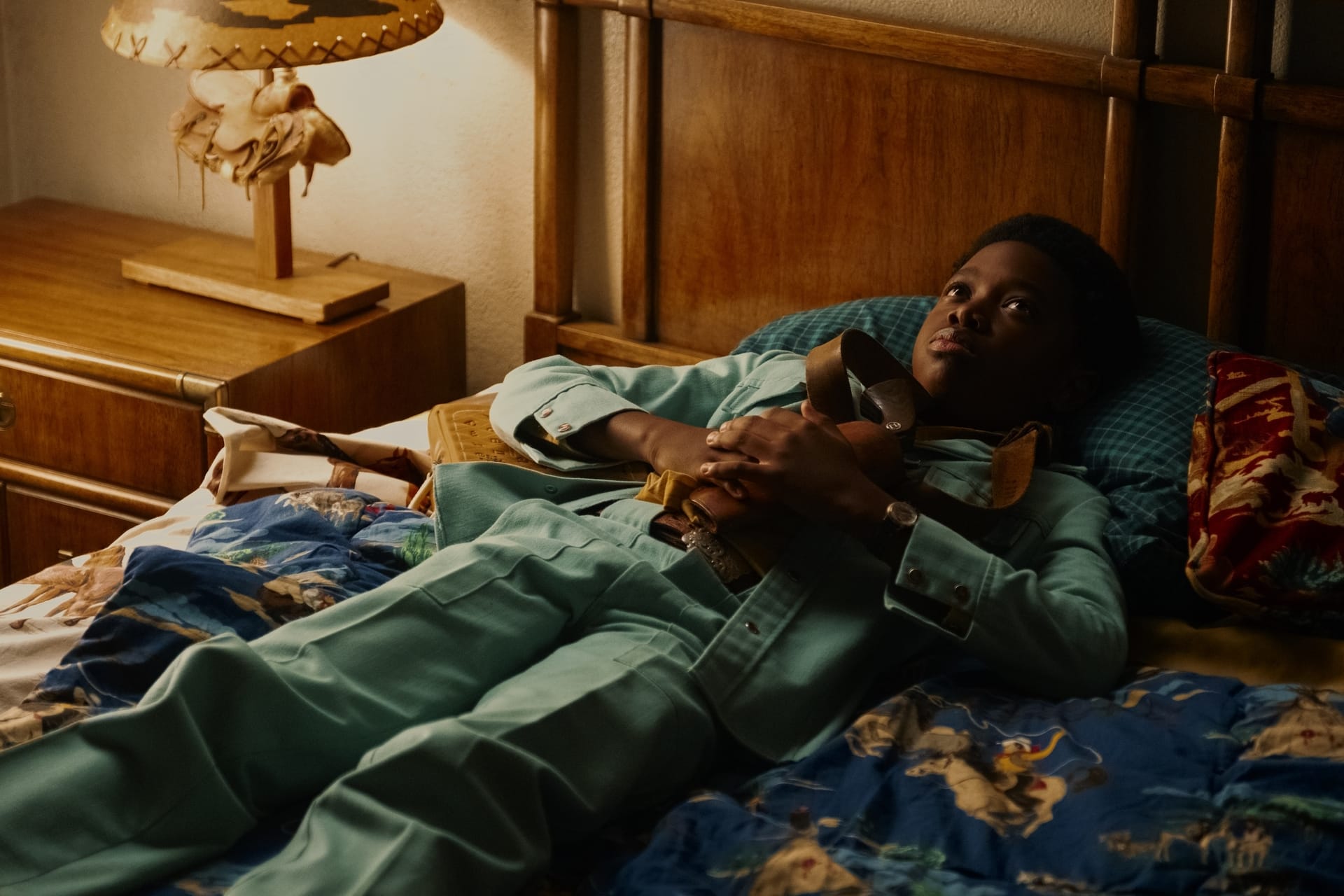
Though Alamo is not all that compelling of a character, the vignettes we see from his childhood do hit on a theme that each person on Euphoria has faced in one way or another: being manipulated by someone close to them. The sequence begins sometime in the late '70s or early '80s, where a young Alamo and his mother (Danielle Deadwyler) attempt to escape poverty by shacking up with Preston, a rich man with facial scars. Alamo develops a bond with Preston, but learns that his mother was actually duping him for his money, leaving him immediately after their new home was robbed only to shack up with the robbers she conspired with. The production design and period detail are decadent as expected and it's good to see the talented and always game Deadwyler pop up, but this sequence ultimately functions as drawn-out and predictable context to explain Alamo's distrustful nature. Something was inevitably bound to disrupt his life, particularly when Rue's voiceover frames the sequence around the fact that his mother was "the coldest female he ever knew," so the turn at the end lands with a bit of a thud as a result.