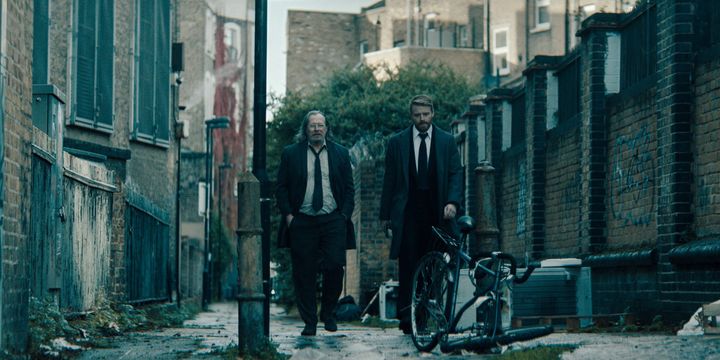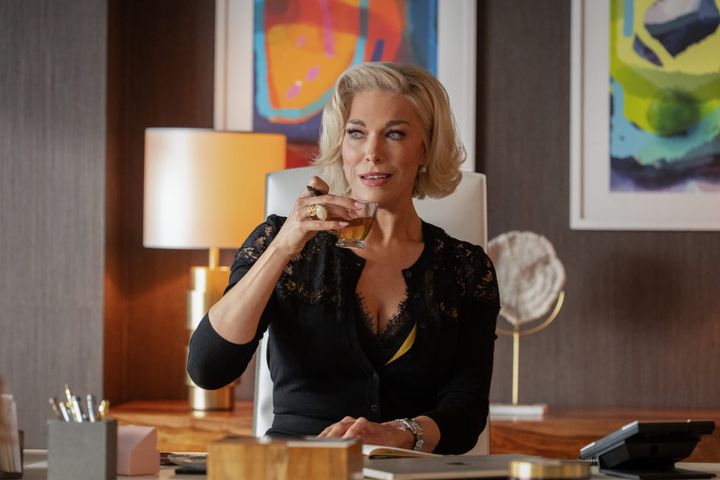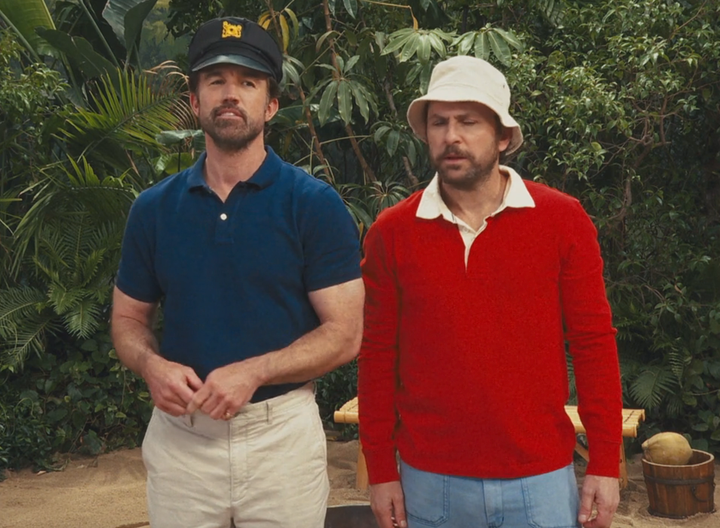
Review: Euphoria, "In God We Trust" | Season 3, Episode 8
Sam Levinson closes his Pandora's Box of a show for good with a funereal finale
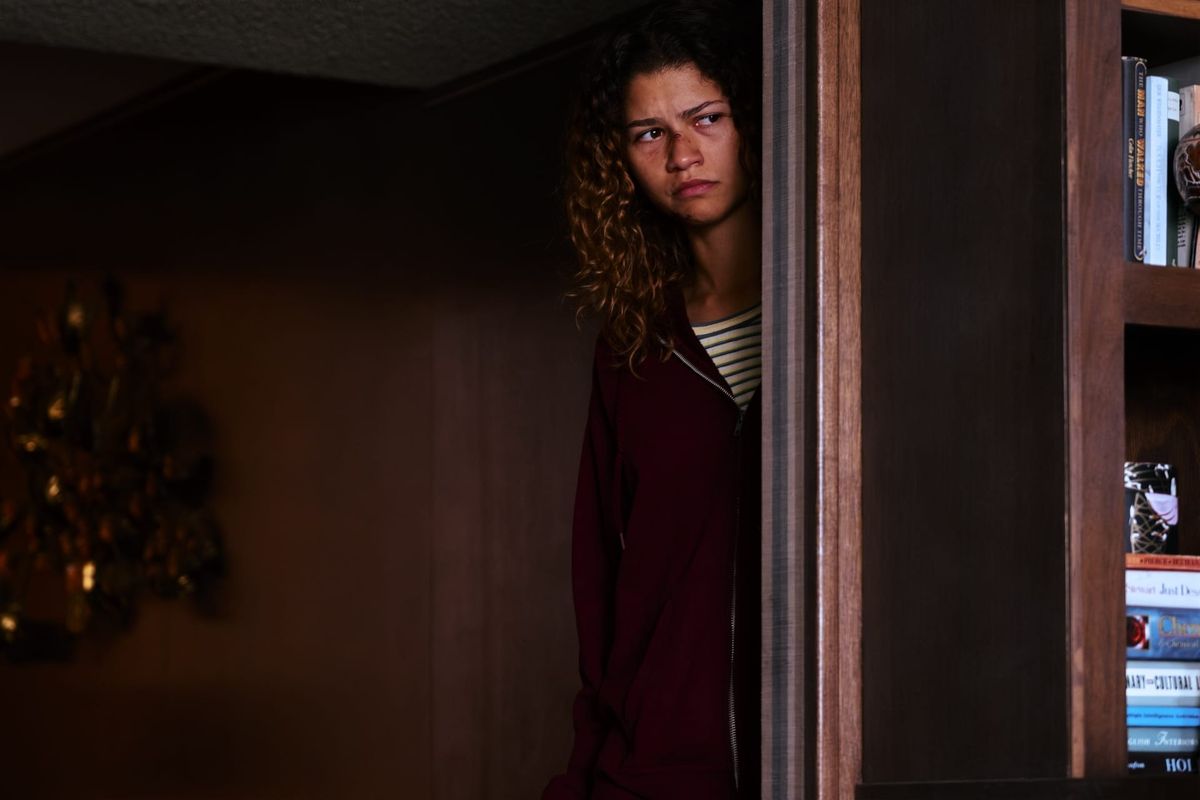
Hey free subscribers—you’ll have a full summer schedule in your inboxes tomorrow, but if you want to get a jump on things here’s a preview of Sam’s coverage of the final Euphoria. $5 lets you sample what we have to offer for paid subscribers.
From the very start, Euphoria has always felt like a Pandora's Box. When it premiered in the summer of 2019, it unleashed a chaotic cavalcade of controversy for its garish, sensationalist depiction of Gen-Z sexuality and for creator Sam Levinson's alleged aesthetic appropriation of Petra Collins' photography. It was for many a feel-bad watch, as spiritually ugly and evil as the grotesque parts of American culture it shined a harsh light on. But in the same way Rue was constantly evading or gravitating towards addiction throughout the series, those such as myself who watched Euphoria couldn't help but find morbid curiosity in something that clearly wasn't good for us.
Unfortunately, the allure of its malevolent spectacle did not extend to the show's tonally and narratively disjointed third season, which tripled down on its stylistic impulses at the expense of building character and propulsive plotting. Thankfully, "In God We Trust" officially serves as the show's series finale and it certainly feels like one, especially as it ends any possibility of extending its story by mercifully killing off its protagonist and star.
But before I get into that, I want to briefly touch on how frustrating it is that "In God We Trust" dedicates much of its gargantuan 93-minute runtime to closing out this season's least interesting threads and how emblematic it is of this season's overarching problem. Rather than further flesh out his characters, Levinson prioritizes more focus on seeing his genre-inclined subplots through to the end, staging Laurie and her crew getting caught by the DEA like the end of a crime thriller and then later staging a standoff between Alamo and Ali at the Silver Slipper like the climax of a Blaxploitation spaghetti Western. Though Laurie and Alamo are technically connected to Rue, neither character has been given enough texture or depth to be fully invested in their fates, so when both inevitably meet their demise after tons of deliberate build-up, there's no catharsis. Laurie instantly gives up the minute the DEA arrive at her doorstep and kills herself, while Alamo develops an existential crisis only to be brutally shot in the next scene by Rue's mentor.